



Learning Through Everyday Activities
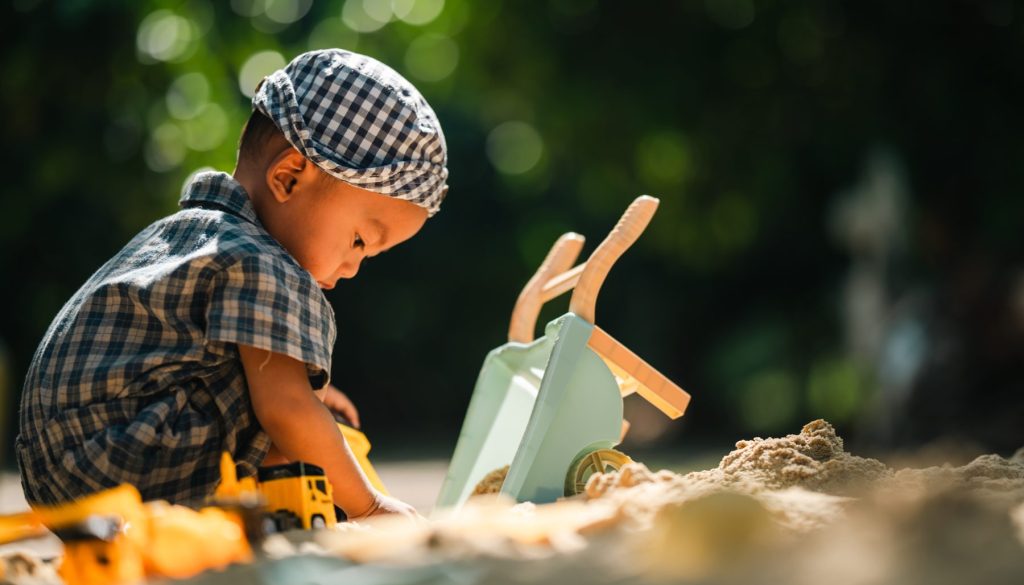
Learning doesn’t just happen in preschool or structured lessons, it happens everywhere, all the time! For young children, everyday routines provide countless opportunities to explore, experiment, and develop skills across multiple areas, including language, motor skills, social-emotional growth, and problem-solving.
How Everyday Activities Support Learning
- Language and Communication:
- Talk to your child throughout the day, describing what you’re doing: “We’re washing the dishes. Look, the soap makes bubbles!”
- Ask questions, encourage storytelling, and respond to their sounds and words to boost vocabulary and comprehension.
- Cognitive Skills and Problem Solving:
- Involve your child in cooking, sorting laundry, or setting the table. Counting, measuring, and categorizing objects teaches early math concepts.
- Encourage curiosity: “What do you think will happen if we add water to the sand?”
- Motor Development:
- Activities like pouring water, stirring, picking up toys, or climbing on playground equipment help build both fine and gross motor skills.
- Everyday chores and play help children develop hand-eye coordination and physical confidence.
- Social-Emotional Learning:
- Modeling kindness, sharing, and patience in daily interactions teaches empathy and self-regulation.
- Encourage taking turns and helping others during routines like cleanup or family meals.
- Creativity and Imagination:
- Allow children to help with arts and crafts, dress-up play, or pretend cooking. Open-ended activities promote creative thinking.
- Allow children to help with arts and crafts, dress-up play, or pretend cooking. Open-ended activities promote creative thinking.
Tips for Making Learning a Part of Every Day
- Narrate the Day: Describe what’s happening in simple, clear language to help children connect words with actions.
- Ask Questions: Invite children to think and problem-solve rather than just giving instructions.
- Include Children in Daily Tasks: Laundry, cooking, gardening, and tidying up become learning experiences.
- Follow Their Lead: Let children explore their interests; learning is more powerful when it’s meaningful and engaging.
- Keep It Fun: Turn routines into playful activities and celebrate achievements along the way.
Everyday activities are rich with learning opportunities. By talking, playing, and involving your child in daily life, you help them develop essential skills in a natural, enjoyable way. Remember, even simple routines like mealtime, bath time, or grocery shopping can become powerful learning experiences.