


Helping Your Child Find Their Voice
As parents, we marvel at the first sounds our babies make, from coos and babbles to that magical first word. Language development is one of the most exciting aspects of early childhood, and it plays a critical role in helping children express themselves, understand others, and build strong relationships.
What to Expect from Birth to Five
- 0–12 months: Babies begin by listening and responding to sounds around them. They coo, babble, and start to imitate sounds. Eye contact, smiling, and gestures like pointing are early forms of communication.
- 12–24 months: Toddlers say their first words and begin combining two words (“more milk”). They also start to understand simple instructions and enjoy interactive games like peek-a-boo.
- 2–3 years: Vocabulary grows rapidly. Children start forming simple sentences and enjoy storytelling, even if it’s just describing what happened during the day.
- 3–5 years: Preschoolers develop more complex sentences, follow multi-step instructions, and ask many questions as they explore the world. They also begin to use language to express feelings and solve problems.
How Parents Can Support Early Language
- Talk Often: Describe what you’re doing, narrate your day, and explain the world around your child. Even babies benefit from hearing words.
- Listen and Respond: Pay attention to gestures, sounds, and words. Responding encourages communication and shows that their voice matters.
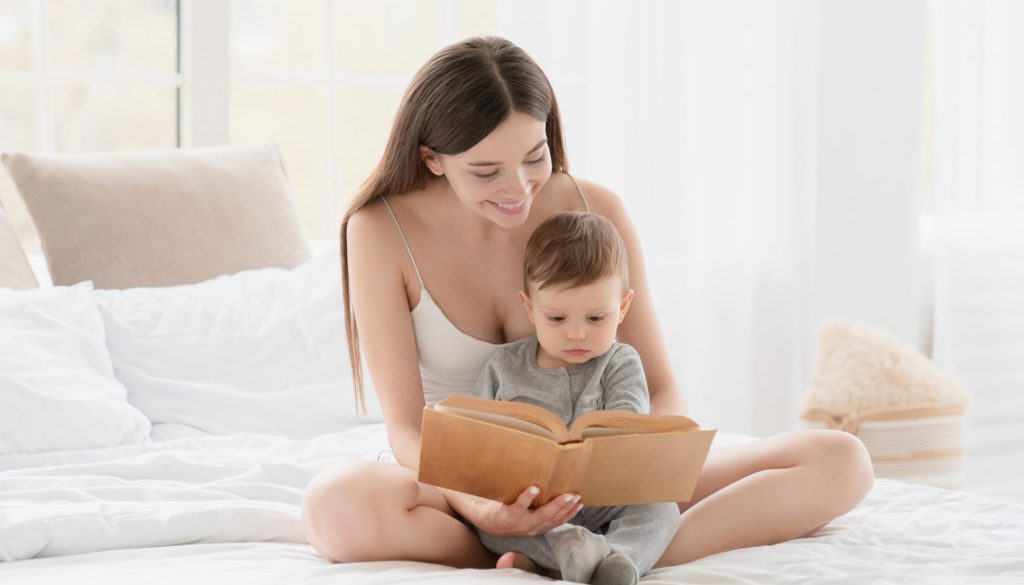
- Read Together: Reading daily supports vocabulary, comprehension, and curiosity. Point to pictures and ask questions.
- Sing and Rhyme: Songs, nursery rhymes, and playful sounds teach rhythm, sounds, and patterns in language.
Encourage Play: Pretend play and social interactions allow children to practice language in fun and meaningful ways.