



Feeding, Introducing Solids and Picky Eating
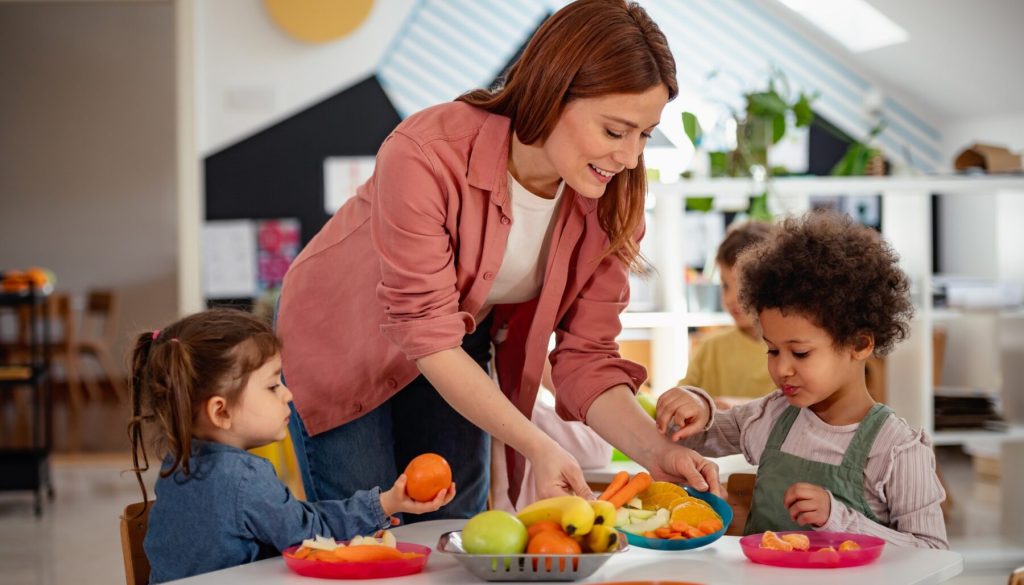
Feeding young children is one of the most meaningful parts of parenting, yet it can also be one of the most stressful. Babies grow quickly, toddlers test limits, and preschoolers often change their food preferences without warning. Understanding what is typical helps you stay calm and confident through each stage.
Around six months, most babies are ready to begin solids. Signs of readiness include sitting with support, good head control, and showing interest in food. Start with soft textures and simple flavors. Let your baby explore with their fingers as well as their mouth. Exploring food is just as important as eating it. This early stage is about learning, tasting, and building a positive relationship with food, not about replacing milk or formula right away.
As babies grow into toddlers, appetites change. Toddlers eat a lot during growth spurts and very little when growth slows. This natural shift often makes parents worry, but it is usually normal. Serve small portions and offer a variety of foods without pressure. Repeated exposure matters. Children often need to see a new food many times before they try it.
Picky eating peaks between ages two and four. Toddlers have strong opinions, limited language, and a desire for control, which can make meals challenging. The goal is to keep eating stress-free. Your job is to offer balanced meals and snacks at regular times. Your child’s job is to choose whether to eat and how much. Pressuring children to take “just one more bite” often backfires and makes them more resistant to new foods.
Family meals help children learn by watching. Even if your child only picks at their plate, the experience of sitting together builds connection and models healthy habits. Keep meals pleasant and brief. Avoid turning the table into a battleground.
Encouraging independence helps too. Let your child help wash produce, stir a bowl, or choose between two vegetables. Involvement builds comfort and curiosity around food. Simple choices give your child a sense of control, which often leads to more cooperation.
Feeding challenges are part of development, not a sign that something is wrong. Trust your child’s internal hunger cues, keep offering variety, and stay relaxed. A calm approach helps your child build a positive relationship with food that lasts well beyond the early years.