


A Parents Guide to Potty Training
Potty training is a major milestone in early childhood, and it’s a journey that can bring pride, frustration, and plenty of questions. Understanding what to expect and how to support your child can make the process smoother for both you and your little one.
When to Start
Most children show readiness for toilet learning between 18 months and 3 years, though every child develops at their own pace. Readiness signs may include:
- Staying dry for 2+ hours at a time
Showing interest in the toilet or wearing underwear - Communicating when they are wet or have soiled
- Being able to follow simple instructions
It’s important to remember that readiness varies, and pushing a child before they are ready can lead to frustration and setbacks.
Common Challenges
- Resistance or Fear: Some children are scared of the toilet or uncomfortable with the sensation of using it.
- Inconsistent Success: Accidents are normal, even after initial success.
- Constipation or Bowel Hesitation: Painful bowel movements can make children avoid the toilet.
- Regression: Stress, changes at home, or illness can cause temporary setbacks.
Strategies to Support Your Child
- Create a Routine: Regular toilet trips, especially after meals and before bedtime, help children anticipate and practice.
- Use Positive Reinforcement: Praise successes and offer encouragement after accidents instead of punishment.
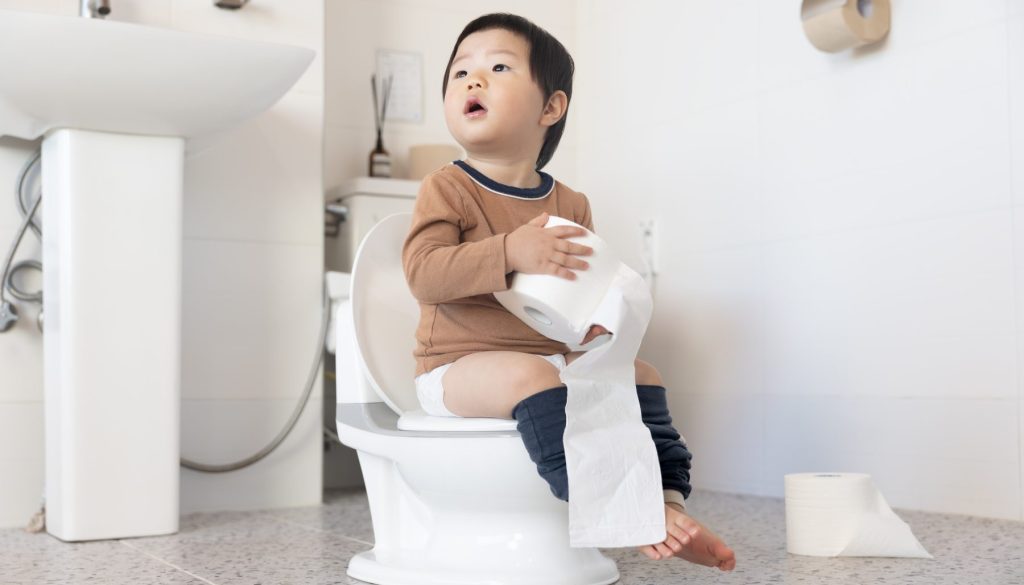
- Make it Comfortable: Child-sized toilets or potty seats, and easy-to-remove clothing, can make the process easier.
- Encourage Independence: Let your child take the lead while offering gentle guidance.
- Address Physical Needs: Ensure children are not constipated or uncomfortable, as this can interfere with learning.
Things to Avoid
- Punishing or shaming your child for accidents
- Comparing your child to siblings or peers
- Forcing toilet training before readiness signs appear
Toilet learning is a developmental milestone that takes patience, consistency, and understanding. Celebrate progress, provide support, and remember that accidents are part of learning. With encouragement and practice, most children will master this skill in their own time.