


Understanding and Responding to Whining
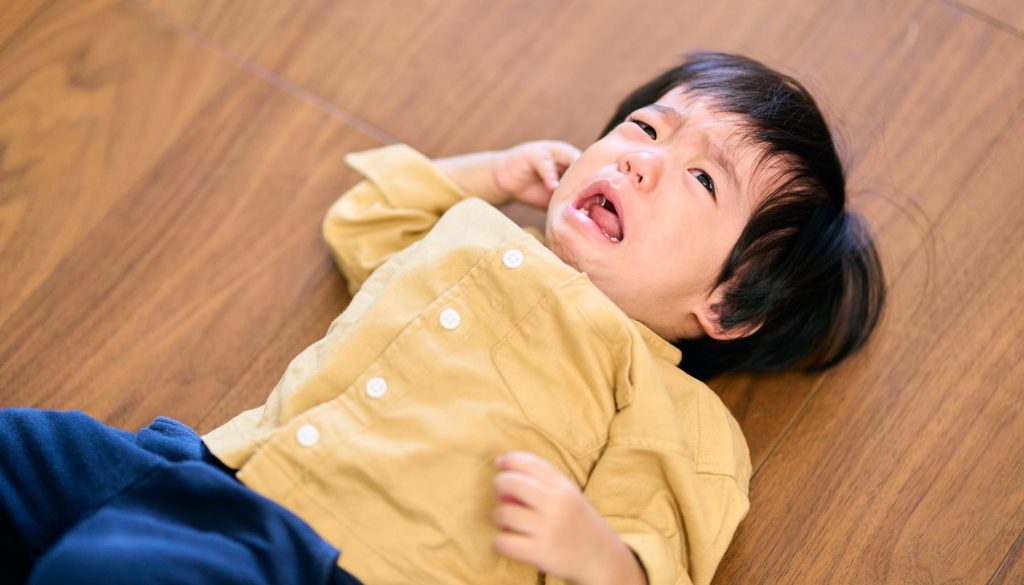
Whining can frustrate parents, but it often signals that a young child is struggling with something they don’t yet know how to express. Rather than trying to be difficult, children may whine when they:
- Are tired, hungry, overwhelmed, or stressed
- Have big feelings but lack the words to express them
- Need attention, comfort, or support from a trusted adult
- Are naturally more sensitive or have trouble calming themselves
Whining often increases during busy or stressful times, such as mornings, bedtime, holidays, transitions, or changes in routine, when children’s bodies and brains are working harder to cope.
What’s Happening Beneath the Behavior?
Whining usually signals that a child needs help, not a deliberate choice to misbehave. When children are overwhelmed by emotions, their brains are focused on managing stress rather than problem-solving or communicating clearly. They may not yet know how to ask calmly for what they need. Responding with frustration can sometimes increase whining, while calm support helps children build the skills they need over time. Like many aspects of emotional development, self-regulation takes practice and guidance.
How Parents Can Respond: Try these compassionate, effective strategies:
Pause and Stay Calm. Take a deep breath before responding. Your calm presence helps your child feel safe and supported.
Name the Feeling. Help your child put words to their emotions.
“It sounds like you’re feeling really frustrated right now.”
Set Clear, Kind Boundaries. Acknowledge the need while teaching a more effective way to communicate.. “I want to help, and I can listen when you use a calm voice.”
Model the Tone You Want. Repeat your child’s request in a calm, respectful voice to show them how they can ask for help.
“Can I have a turn, please?”
Support Regulation First. Sometimes children need help calming their bodies before they can communicate effectively. Consider offering:
A snack or drink of water
Physical movement
A quiet break
A hug or comforting connection
Whining is not a sign that your child is failing or that you are doing something wrong. It is a skill they are still learning.
When children feel understood and supported, they are more likely to develop the emotional and communication skills they need. Connection comes before correction, and small moments of patience and empathy can make a big difference.