


Gentle Bedtime Routines

Bedtime can be one of the most tender parts of the day or one of the most challenging. For young children, winding down isn’t always easy. Their bodies may be tired, but their minds are still buzzing with everything they experienced. A gentle bedtime routine helps signal to your child: you are safe, the day is done, and it’s time to rest.
Young children thrive on predictability. When bedtime follows the same rhythm each night, it reduces resistance and helps their bodies naturally prepare for sleep. Over time, the routine itself becomes a cue that rest is coming.
Create a Simple Bedtime Flow
Keep your routine short, calm, and repeatable.
- Bath or wash up
- Pajamas
- Brush teeth
- Storytime
- Lights out
You don’t need to do everything perfectly; consistency matters more than length.
Slow the Pace
Think of bedtime as a gradual dimming, not a sudden stop. Lower the lights, turn off screens, and shift to quieter activities about 30–60 minutes before bed. Instead of active play, try reading, drawing, or cuddling with a book.
Create Connection Before Sleep
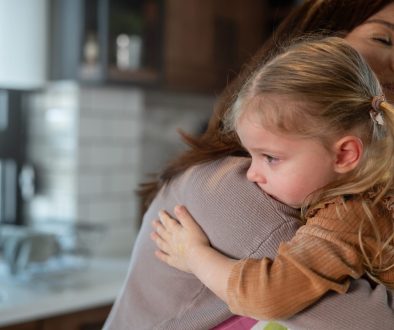
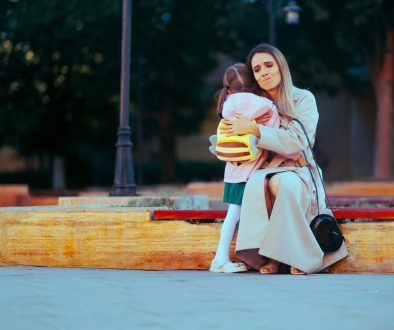
Children often seek connection at bedtime because it’s a moment of separation. Even a few focused minutes can make a big difference. Snuggle and say, “What was your favorite part of today?” Or share a simple moment of gratitude together.
Use Calming, Predictable Language
Repeating the same gentle phrases each night can be comforting.
“It’s time for your body to rest.”
“I’m right here. You are safe.”
Offer Small Choices
Giving children a sense of control can ease resistance.
“Do you want the blue pajamas or the red ones?”
“One book or two tonight?”
Stay Steady With Boundaries
It’s okay for children to protest bedtime; it doesn’t mean the routine isn’t working. Stay calm and consistent:
“It’s time for sleep. I’ll check on you in a few minutes.”
Bedtime doesn’t have to be perfect or tear-free. What matters most is the feeling you create: one of safety, connection, and consistency. Over time, these small, loving rituals become something your child carries with them, not just into sleep, but into how they understand comfort, rest, and home.